Roof Repair
Leaks, blown-off shingles, damaged flashing, cracked vent boots, and worn sealant around chimneys and skylights.
Hail, high winds, and big temperature swings hit north metro roofs hard. Tell us what you are seeing, and a local roofing contractor will follow up with a free estimate and a plain-language explanation of what your roof needs.
Choose one to start your free estimate.
Free estimates. No pressure. You decide what happens next.Most roof problems start small. A loose shingle becomes a leak, and a leak becomes a stained ceiling. Whether you need a quick repair or a full replacement, the goal is the same: fix the real cause, not just the spot you can see.
Leaks, blown-off shingles, damaged flashing, cracked vent boots, and worn sealant around chimneys and skylights.
Tear-off and new roof systems in asphalt shingle, impact-resistant shingle, metal, and low-slope options.
Lifted, creased, or missing shingles after the strong gusts that sweep across the north metro.
Inspection and photo documentation of bruised shingles, dented vents, and damaged gutters.
Gutters, downspouts, soffit, fascia, siding, and window repairs that often go along with roof work.
Help documenting damage and explaining the repair scope. Your insurance company makes the coverage decision.
Thornton sits in one of the windiest and most hail-prone parts of the Front Range. Both can damage a roof, but they leave different signs, and knowing the difference helps you describe the problem.
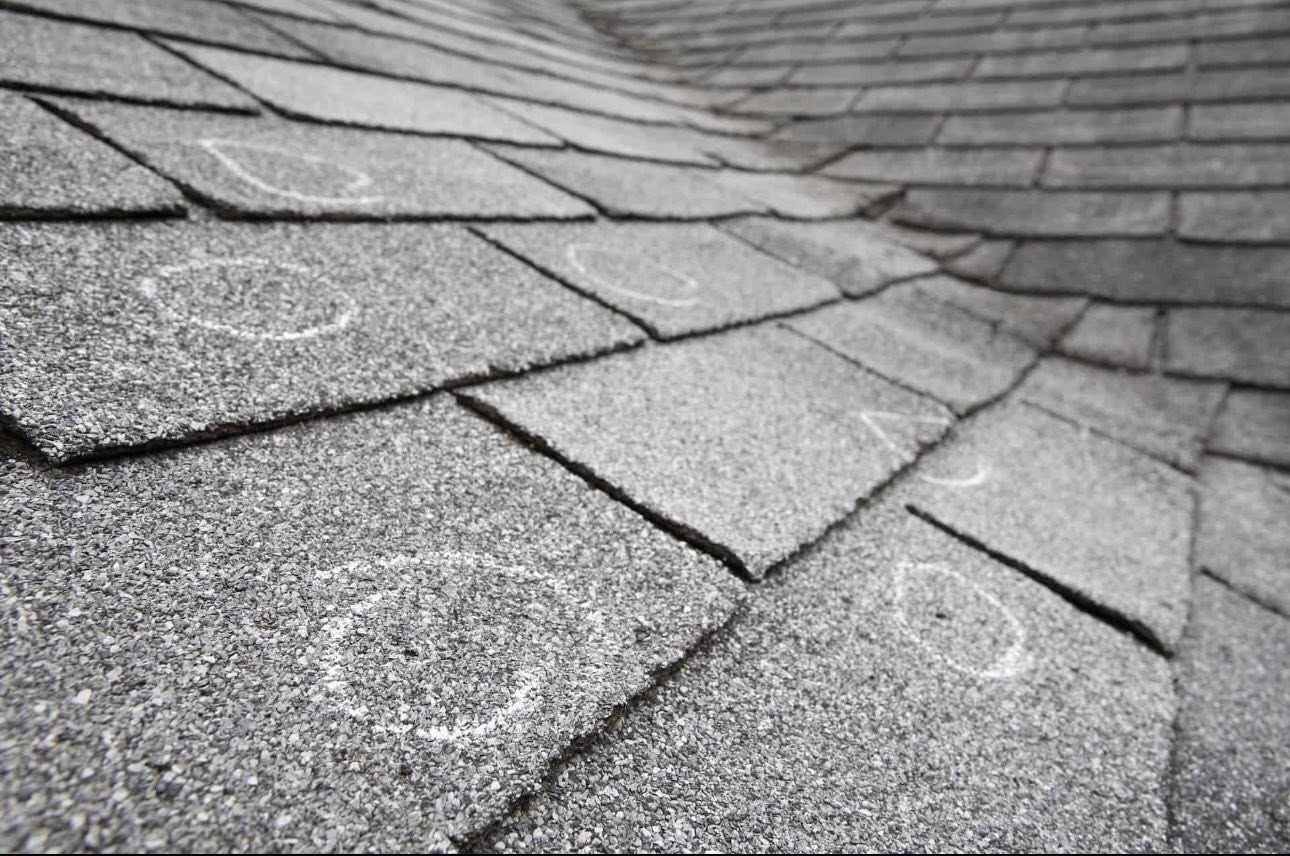
You do not need to climb up to check. From the ground is fine. A roofer can do the close inspection safely.
Request a Storm Damage Estimate
It depends on what is damaged and how much. Replacing a few shingles costs far less than repairing flashing around a chimney or fixing soft decking. An inspection gives you a real number instead of a guess over the phone.
Look for shingles in the yard, missing patches near the edges or ridge, or shingles that look folded or creased. Wind can also break the seal between shingles without obvious signs, so an inspection after a major wind event is a good idea.
A single leak or a small damaged area on a younger roof is often repairable. Widespread damage, repeated leaks, or a roof nearing the end of its life usually points toward replacement. A roofer can explain which makes sense for your home.
Most homes are done in one to three days, depending on size, pitch, weather, and whether damaged decking needs to be replaced.
Many policies cover sudden damage from covered events like hail and wind. Normal wear and age usually are not covered. Your policy and your insurance company decide what is covered.
Roof replacements in Thornton generally require a permit. Your roofing contractor should handle the permit and any required inspections.
They are shingles tested to hold up better against hail. Some homeowners choose them after a storm, and some insurance companies offer discounts for them. Ask your insurer whether that applies to you.
Yes. Use the chat to describe your roof problem and request your free estimate.
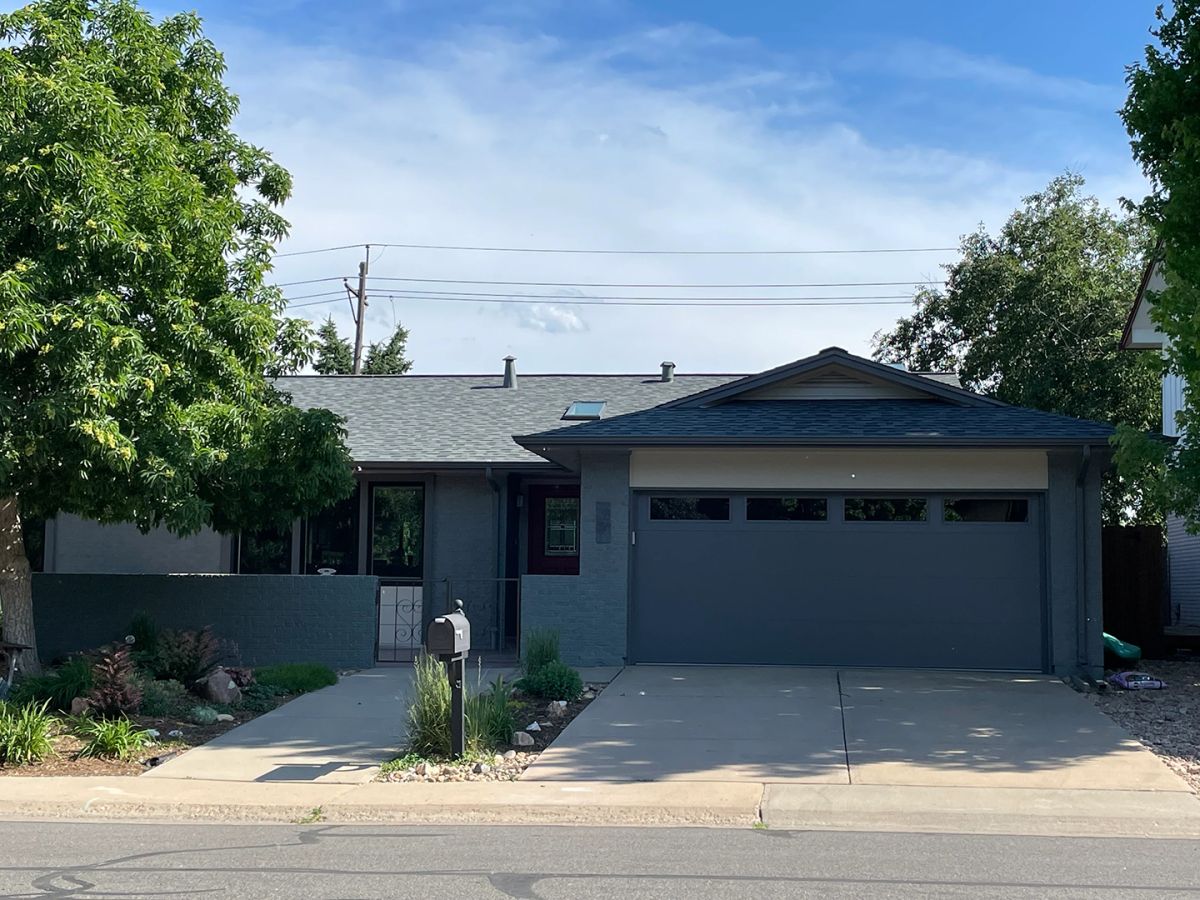
A quick, safe walk-around that helps you spot damage early.
Walk around the outside of your home after the wind dies down. Look for shingles, shingle pieces, or roofing nails in the yard, driveway, and street. From the ground, scan the roof edges, ridge line, and any areas that face the direction the wind came from.
Wind gets under shingles at the edges and corners of the roof. Missing or flipped-up shingles are most common there.
Look at ceilings in upstairs rooms and closets for new stains, and check the attic if you can do it safely. Daylight coming through the roof deck is a sign of a problem.
Shingles are designed to stick to the row below. Strong wind can break that seal without tearing the shingle off. Unsealed shingles are more likely to blow off in the next storm.
If you plan to file an insurance claim, photos and the storm date will help. Keep everything in one place.
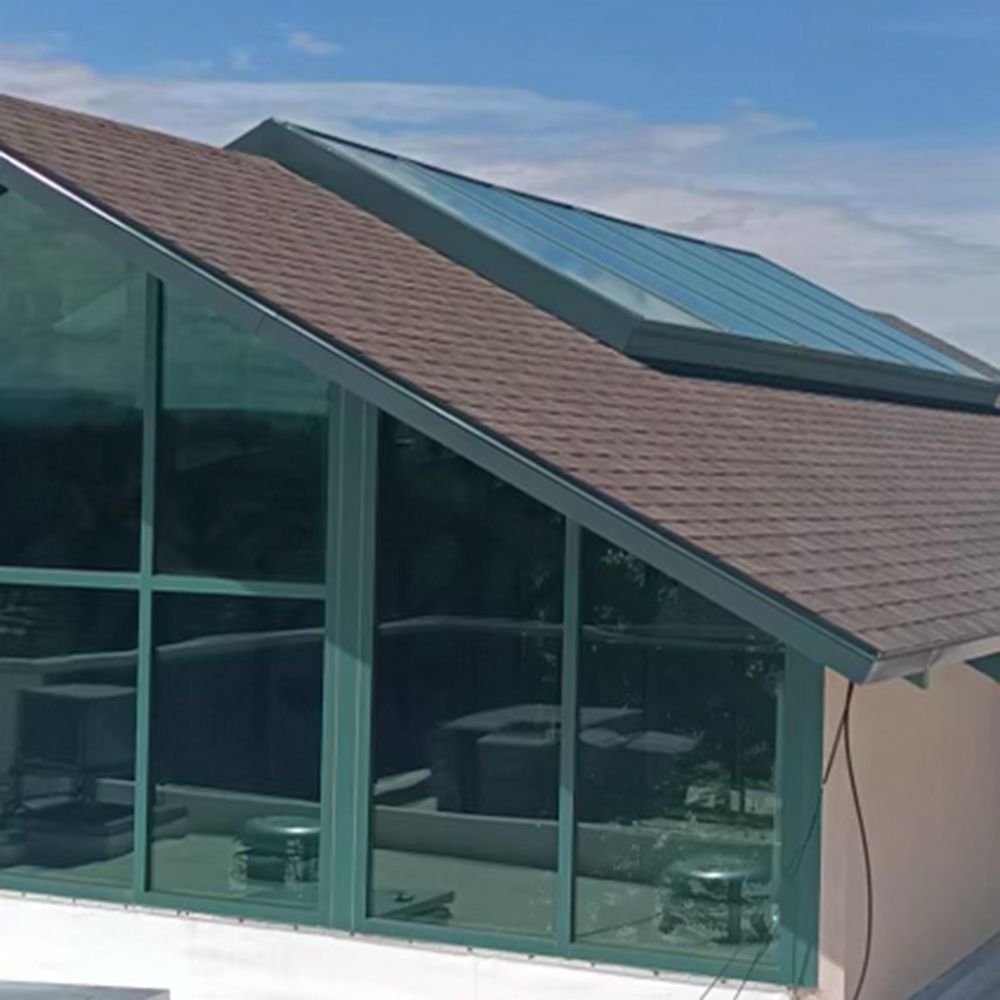
Why roofs sometimes leak on sunny days after a snow.
Ice dams form when snow on the warm part of a roof melts, runs down, and refreezes at the cold edge. The ice builds a ridge that traps water, and that water can back up under shingles and into the house.
Thick ice along the gutters or roof edge, icicles that keep growing, and water stains on ceilings or walls near outside walls.
Heat escaping into the attic is usually the root cause. Poor insulation, air leaks, and weak attic ventilation all play a part.
Do not chip at ice on the roof. It can damage shingles and is dangerous. Clear snow from the edge with a roof rake from the ground if you can do it safely. For a long-term fix, have a roofer look at ventilation and the condition of the roof edge.
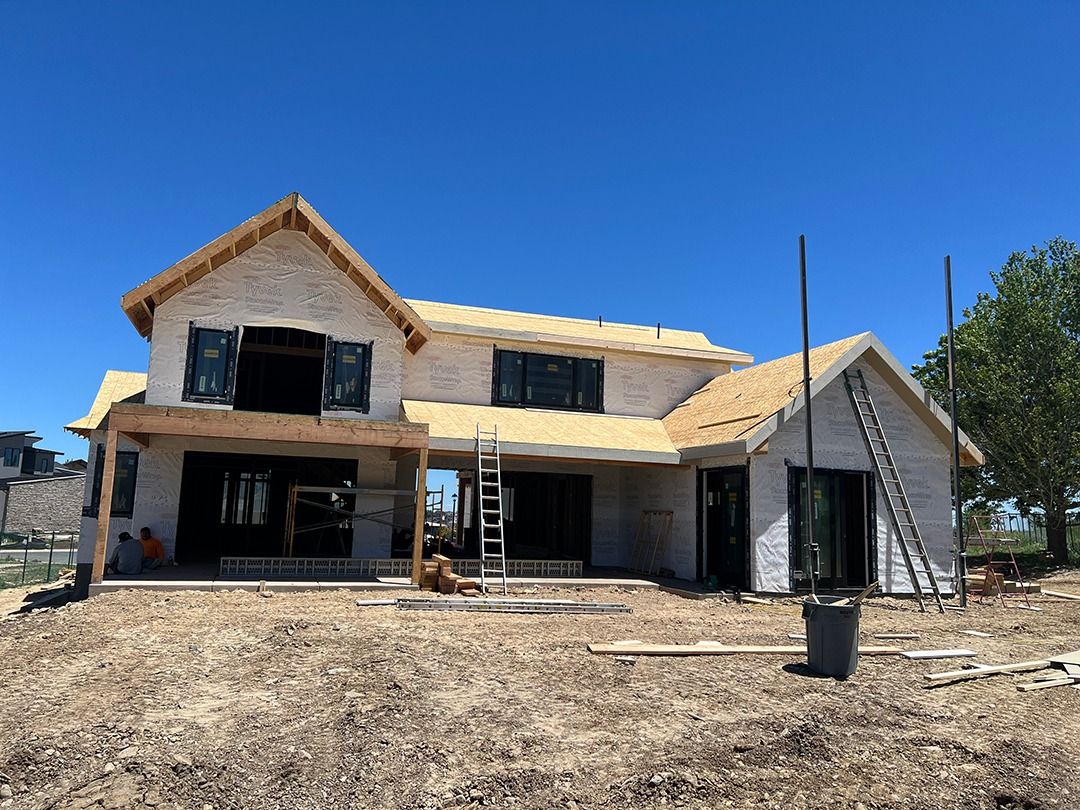
What they are, what they cost, and who they make sense for.
Impact-resistant shingles are built to handle hail better than standard shingles. Many carry a Class 4 rating, the highest rating in the common impact test.
They can hold up better in hailstorms, which may mean fewer repairs and claims over the life of the roof. Some insurance companies offer a premium discount for them.
They cost more upfront than standard shingles. They are hail-resistant, not hail-proof. A severe storm can still cause damage.
Homeowners in hail-prone areas who plan to stay in the home for several years. If you are replacing a roof after a storm anyway, it is worth asking about the price difference.
Request an estimate for a home in Thornton or a nearby community. Availability depends on the property and the type of work.
Describe the problem in the chat and request your free estimate. A local roofing contractor will follow up.
Get My Free Estimate